Moisture source guidance
Mold problems usually start with water. We focus on locating the moisture pathway so you can correct the cause, not just clean the symptom.
Serving Columbia, South Carolina & surrounding areas
If you smell something musty, see staining, or have had a leak, a professional inspection can confirm whether mold is present, where moisture is coming from, and what to do next before anyone starts tearing out materials.
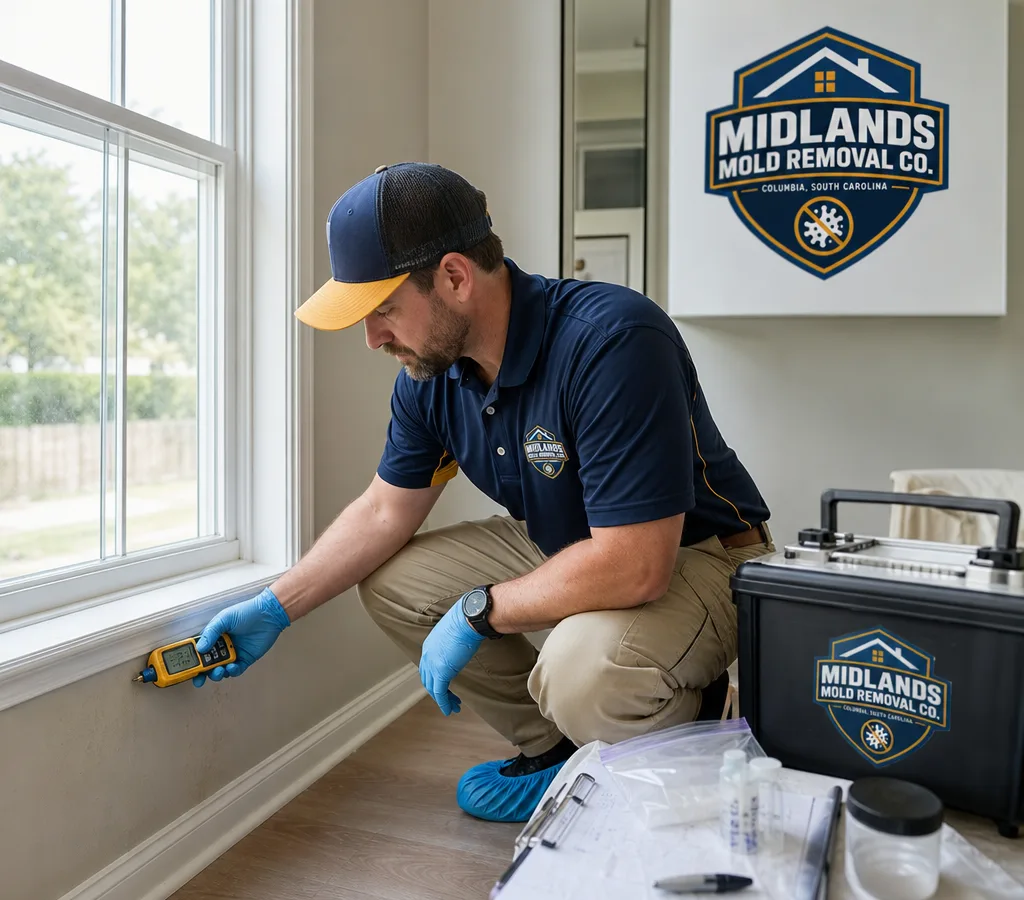
A mold inspection in Columbia, SC should do more than point at a dark spot on drywall. The goal is to find moisture, document conditions, and produce clear results you can use to make decisions.
During a typical mold inspection, we look for visible fungal growth and water damage, then track down the moisture source that allows mold to keep returning. That often means checking bathrooms, laundry areas, kitchens, crawl spaces, attics, around HVAC supply and return boots, and beneath windows and exterior doors. We also pay attention to building materials that hold moisture longer, like carpet pad, drywall paper, and wood framing.
Columbia's long humid stretches can keep indoor relative humidity high if ventilation, drainage, or HVAC performance is off. When the air stays damp, small leaks turn into persistent problems. A good inspection helps you avoid guessing, avoid unnecessary demolition, and prioritize the fix that actually stops the conditions mold needs.
Our approach is straightforward and documented.
We start with a walkthrough to understand the history: roof leak, plumbing issue, past flooding, condensation around vents, or a recent renovation. Then we use tools that help confirm what the eye cannot.
Common inspection methods include:
You will receive a clear summary of what we found, where moisture is present, what areas are most likely affected, and what the next step should be. If remediation is needed, we can also outline what a proper scope generally includes so you can compare proposals apples to apples.
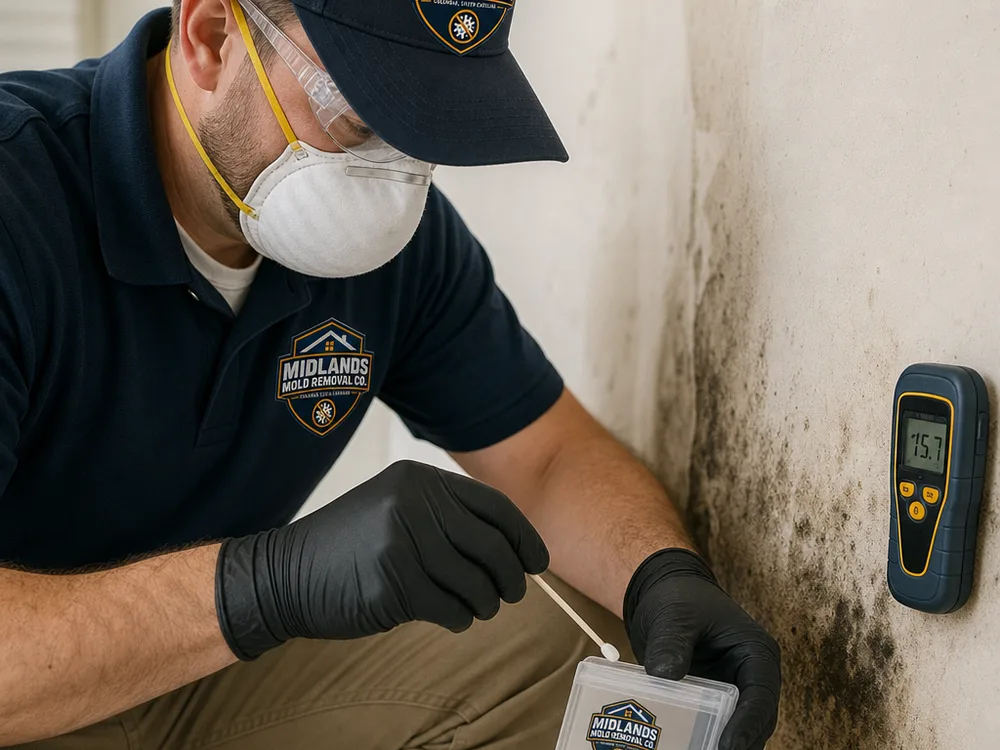
Mold problems usually start with water. We focus on locating the moisture pathway so you can correct the cause, not just clean the symptom.
We document locations, conditions, and recommendations in plain language, so you can plan repairs or remediation with less uncertainty.
Sampling is not always necessary, but when it answers a real question—such as clearance needs, disputed areas, or hidden concerns—we use it to support a sound decision.
We work carefully in homes, offices, and rental properties, keeping the inspection neat and minimizing disruption.
We regularly see issues around bathrooms, HVAC condensate lines, water heater closets, crawl spaces, and exterior wall penetrations after storms.
Mold inspection in Columbia typically ranges from about $250 to $650, depending on the size of the property and whether sampling is needed. A basic visual inspection with moisture readings is usually at the lower end, while larger homes, multi-unit rentals, and inspections that include multiple air or surface samples fall higher.
Price depends on square footage, number of areas of concern, access to crawl spaces and attics, how much moisture mapping is required, and the number of lab samples requested. The exact cost is confirmed at the inspection once we understand the layout and the questions you need answered.
Tell us what you are seeing—odor, staining, a recent leak, or health concerns—and whether the property is occupied, vacant, or a rental turnover.
We inspect the affected areas and adjacent spaces, take moisture readings, and identify building conditions that can keep materials damp.
If results will be more useful with lab confirmation, we collect air and/or surface samples with clear labeling and chain-of-custody handling.
You get a written summary of what we observed, what the readings indicate, and what steps to take next, including what a proper remediation scope would address when needed.
People usually search for mold inspection Columbia SC because something changed in the building. These are the most common reasons we are asked to inspect:
In Columbia and nearby areas, we often inspect crawl-space-adjacent rooms where humidity migrates upward, as well as buildings that were closed up for a stretch and then reoccupied. If you already know you need removal, our mold removal service in Columbia, SC can help you move from inspection findings to a defined remediation plan.
“We had a musty smell that kept coming back after a water heater leak. The inspection mapped moisture we would not have found on our own and explained what needed to be addressed before any cleanup.”
“Clear report, no pressure. The inspector showed us where the humidity was coming from and which areas actually needed attention.”
Most mold inspections take 60 to 120 minutes on-site, depending on property size, access to the crawl space or attic, and how many areas need moisture mapping. If sampling is included, collection adds only a little time; lab turnaround is separate.
If you have visible growth and an obvious moisture problem, a documented visual inspection with moisture readings is often enough to guide next steps. Testing is most useful when you need lab-backed results for a transaction, a dispute, or when the material is questionable and you want to confirm whether it is mold or something else.
We can identify conditions consistent with hidden moisture using moisture meters and infrared imaging, and we can recommend the smallest, most sensible exploratory opening when it is warranted. No non-invasive tool can guarantee what is inside a sealed cavity, so we focus on evidence and risk, then confirm strategically.
Leave affected areas as-is, avoid spraying bleach or heavy cleaners right before the visit, and clear access to the spots you are concerned about, including under sinks, around HVAC closets, and near stained walls. If you have a dehumidifier running, keep it at its normal setting so we can assess typical conditions.
A thorough inspection usually identifies the most likely moisture source, such as a plumbing leak, roof intrusion, condensate drain issue, or chronic humidity and ventilation problems. We document the evidence we see on-site so you can prioritize the fix that prevents recurrence.
The fundamentals are the same, but commercial inspections often focus on HVAC zones, ceiling plenums, tenant improvement areas, and documenting findings for facilities teams. We adapt the inspection plan to the layout and the questions you need answered, whether it is an office suite or a multi-room facility.
Tell Midlands Mold Removal Co. what you are seeing and where it is happening. We will schedule a mold inspection, track down moisture conditions, and give you a written summary you can act on.